
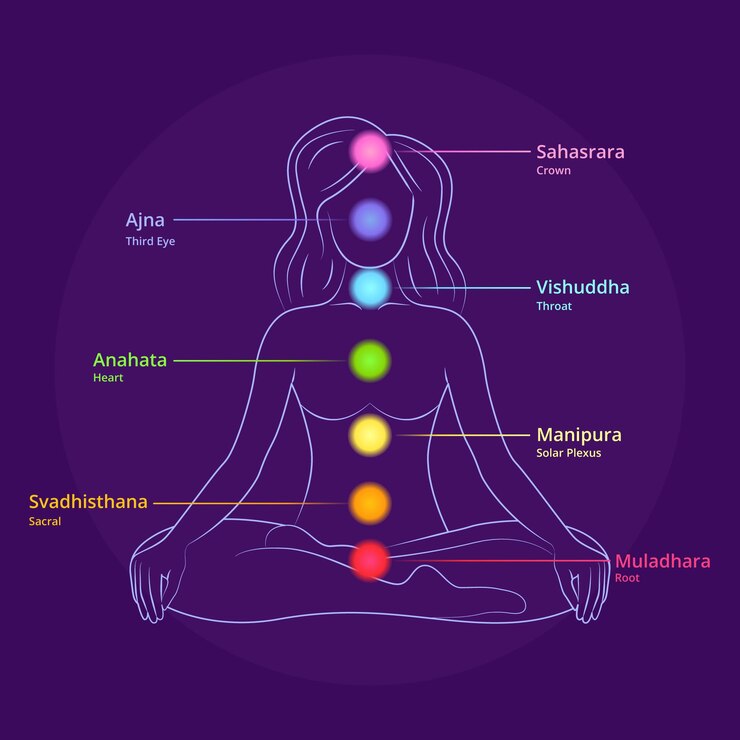
Chakras are energy centers within the body, according to ancient Indian spiritual and healing traditions. The term “chakra” means “wheel” or “disk” in Sanskrit, and each chakra is seen as a spinning vortex of energy. There are seven main chakras, each associated with specific physical, emotional, and spiritual functions, as well as with specific colors, elements, and symbols. Balancing these chakras is thought to help maintain physical health and emotional well-being.
Here’s an overview of each chakra and how you can apply it in your life
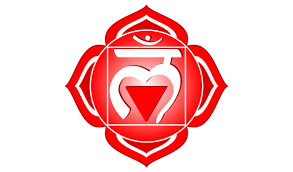
Muladhara (Root Chakra) – Located at the base of the spine, it is associated with the color red and represents grounding and security. Applying it in life involves focusing on basic needs and stability, such as home, finances, and health. Practices like walking barefoot on the ground and eating root vegetables can support this chakra.
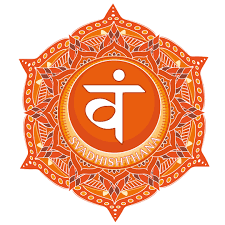
Svadhisthana (Sacral Chakra) – Located below the navel, associated with the color orange, it governs creativity, pleasure, and emotions. To balance this chakra, engage in creative pursuits, express your emotions openly, and enjoy activities that bring pleasure.
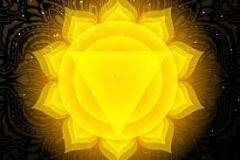
Manipura (Solar Plexus Chakra) – Located in the stomach area, it is associated with the color yellow and is tied to confidence, willpower, and self-esteem. Working on personal boundaries, setting goals, and practicing self-discipline can help strengthen this chakra.
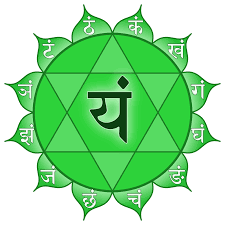
Anahata (Heart Chakra) – Located in the chest, associated with the color green, it represents love, compassion, and connection. Activities like practicing forgiveness, developing self-love, and fostering healthy relationships can enhance this chakra.
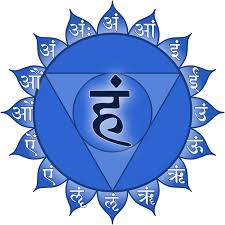
Vishuddha (Throat Chakra) – Located in the throat, it is represented by the color blue and governs communication and self-expression. To support this chakra, work on speaking your truth, improving communication skills, and expressing creativity through words.
Ajna (Third Eye Chakra) – Located between the eyebrows, associated with the color indigo, it is connected to intuition, wisdom, and inner guidance. Meditation, visualization exercises, and journaling are ways to activate this chakra.

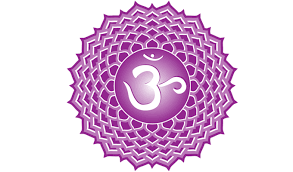
Sahasrara (Crown Chakra) – Located at the top of the head, associated with the color violet or white, it represents spiritual connection and enlightenment. Practices like meditation, gratitude, and connecting with nature can strengthen this chakra.
Chakras are vital energy centers within the body that influence your physical, emotional, and spiritual well-being. Originating from ancient Indian traditions, there are seven main chakras, each aligned with specific qualities, colors, and life aspects. Starting from the Root Chakra (security and grounding) at the base of the spine, up to the Crown Chakra (spiritual connection) at the top of the head, each chakra plays a unique role in maintaining balance and harmony.
Learning how to balance your chakras can enhance your life, improving confidence, intuition, creativity, and emotional well-being. Practices like meditation, yoga, affirmations, and mindful breathing exercises can help align and unblock these energy centers. Discover how focusing on chakra balance can promote peace, clarity, and positive energy flow in your daily life.

Follow us on: