
Navigating Solutions with Compassion
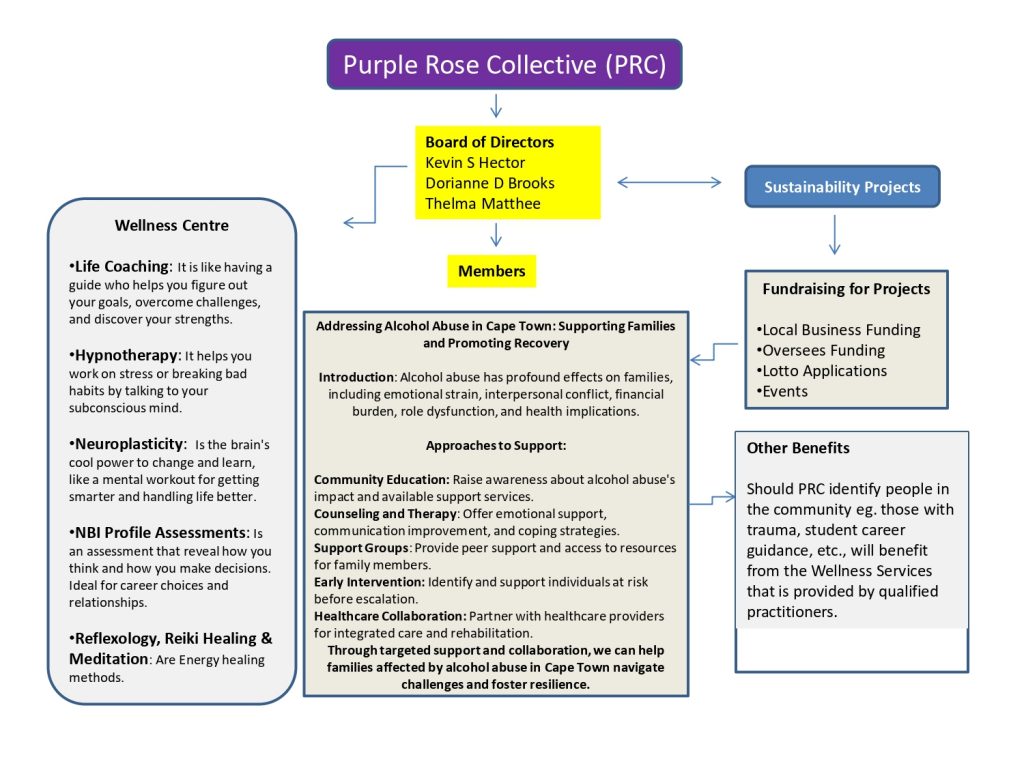
Addressing Alcohol Abuse in Cape Town: Supporting Families and Promoting Recovery
Introduction: Alcohol abuse remains a significant issue in Cape Town, impacting individuals and families across communities. This report aims to examine the effects of alcohol abuse on families in Cape Town and outline approaches to provide support and assistance to those affected.
Effects of Alcohol Abuse on Families:
Emotional Strain: Families of individuals struggling with alcohol abuse often experience emotional distress, including anxiety, depression, and feelings of helplessness.
Interpersonal Conflict: Alcohol abuse can lead to conflicts within the family, including arguments, violence, and breakdowns in communication.
Financial Burden: Excessive spending on alcohol can strain family finances, leading to financial instability and hardship.
Role Dysfunction: Alcohol abuse can disrupt family roles and responsibilities, impacting parenting, caregiving, and household management.
Health Implications: Family members may suffer from physical and mental health issues due to stress and strain related to living with someone struggling with alcohol abuse.
Approaches to Support and Assistance:
Community Education and Awareness: Implementing community-based education programs to raise awareness about the impact of alcohol abuse on families and the available support services.
Counseling and Therapy: Providing counseling and therapy services for individuals and families affected by alcohol abuse to address emotional distress, improve communication, and develop coping strategies.
Support Groups: Establishing support groups for family members of individuals struggling with alcohol abuse to offer peer support, share experiences, and access resources.
Early Intervention Programs: Developing early intervention programs to identify and support individuals at risk of alcohol abuse before it escalates and impacts their families.
Collaboration with Healthcare Providers: Partnering with healthcare providers to offer integrated care and support for individuals and families affected by alcohol abuse, including access to medical treatment and rehabilitation services.
Legal and Social Services Support: Providing access to legal and social services to assist families in addressing legal issues, financial concerns, and social welfare needs arising from alcohol abuse.
Conclusion: Alcohol abuse poses significant challenges for families in Cape Town, impacting emotional well-being, relationships, and financial stability. By implementing comprehensive support and assistance programs, we can help families navigate the effects of alcohol abuse and promote recovery and resilience within communities. Together, we can work towards building a healthier and more supportive environment for individuals and families affected by alcohol abuse in Cape Town.
.

In South Africa, alcohol abuse presents a significant societal challenge, with approximately half of all non-natural deaths linked to its consumption. The statistics reveal a concerning pattern, as alcohol is implicated in 75% of homicides, 60% of automobile accidents, and 24% of vehicular deaths and injuries. Addressing such issues often requires a holistic approach, and a life coach can play a crucial role in supporting individuals struggling with alcohol abuse. A life coach can provide guidance, motivation, and accountability, helping individuals set and achieve realistic goals in their journey towards sobriety. Moreover, life coaches can assist in developing coping mechanisms, fostering self-awareness, and promoting positive lifestyle changes. Ultimately, the combination of professional support, community resources, and personal commitment contributes to the effective solutions needed to combat alcohol abuse in South Africa.
In the pursuit of a happy and fulfilling life, the foundation often lies in cultivating an abuse-free family environment. In an abuse-free family, open communication, respect, and empathy form the cornerstones of every interaction. Members feel secure expressing their thoughts and emotions without fear of judgment or mistreatment. Healthy boundaries are established, fostering a sense of safety and trust. Conflict resolution becomes a collaborative effort, guided by understanding rather than aggression. Such families prioritize each individual’s well-being, recognizing the importance of mental and emotional health. By nurturing positive relationships and creating a supportive atmosphere, an abuse-free family not only cultivates happiness within its members but also serves as a model for building stronger, more resilient communities.


Follow us on: