
Truth possesses inherent strength and independence, requiring no external support to sustain itself.
The concept of truth and belief is a profound and often subjective matter, especially in the realm of spirituality. It’s essential to recognize that truth and belief can vary significantly from person to person, and what one person considers true or believes in may not align with another’s spiritual perspective. Here are some key points to consider:
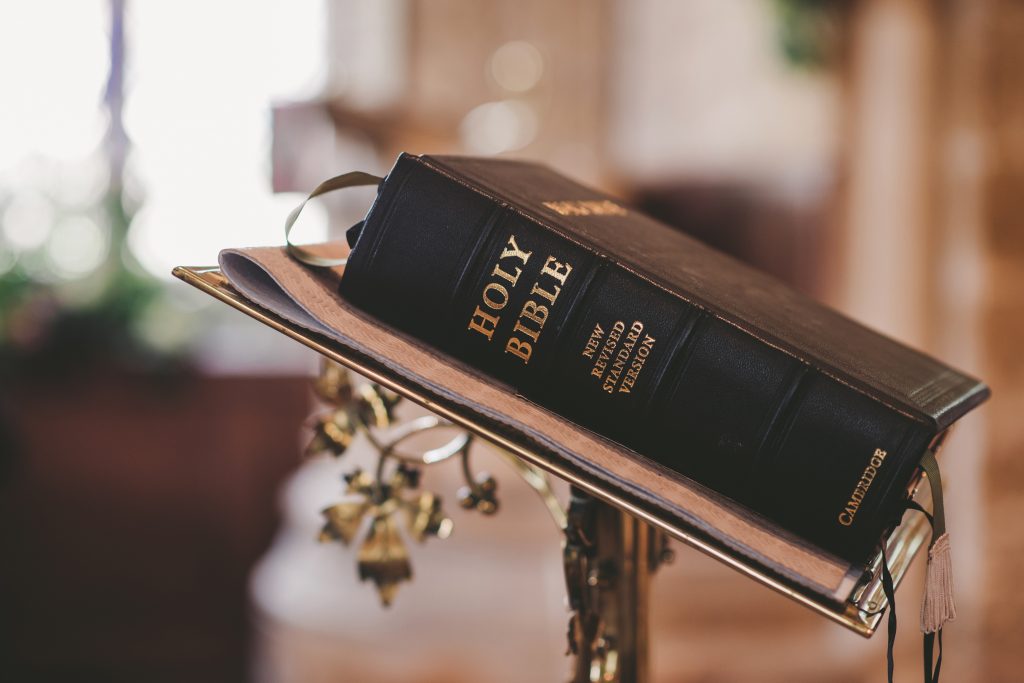
The subjectivity of Truth: Truth, in a spiritual context, is often subjective. It’s based on personal experiences, beliefs, and inner understanding. What feels true for one individual might not resonate with someone else. This subjectivity is rooted in the diverse spiritual paths and experiences people embark upon.
Belief Systems: Belief systems play a pivotal role in shaping one’s truth. Different religions, philosophies, or spiritual practices can lead individuals to vastly different truths. For example, a person following Buddhism may have a different perspective on the nature of reality compared to someone adhering to Christianity or Hinduism.
Cultural and Societal Influences: Cultural and societal factors can also influence one’s truth and belief system. The environment in which a person is raised, the values of their community, and societal norms can shape their perception of truth. This can lead to variations in spiritual beliefs even within the same culture or region.
Personal Growth and Evolution: Truth and belief are not static concepts. They can evolve over time as individuals grow, learn, and have new experiences. What someone believed in their youth may not be the same as what they believe in later stages of life.


Respect for Diverse Perspectives:
In a world filled with diverse belief systems, it’s important to approach discussions about truth and belief with respect and an open mind. While your truth may not align with someone else’s, acknowledging and understanding these differences can lead to meaningful conversations and mutual respect.
Seeking Your Own Truth: As a spiritual seeker, it’s crucial to embark on a personal journey to discover your own truth. This might involve exploring various belief systems, meditation, self-reflection, and seeking guidance from spiritual teachers or mentors. Ultimately, your spiritual truth is a deeply personal and evolving aspect of your journey.

In summary, truth and belief in a spiritual sense are highly individualistic and can differ significantly from person to person. Embracing this diversity of perspectives can lead to a richer understanding of the spiritual world and promote tolerance and empathy in our interactions with others on similar journeys of seeking truth.

Follow us on: